
Cold & Flu Season Oral Health: Protecting Your Teeth and Gums This Winter in Samford
 Winter sickness across Samford Village often brings unexpected challenges for family oral care. Maintaining good oral health during winter involves understanding how blocked noses, medicated lozenges, and changes in hydration affect teeth and gums.
Winter colds harm oral health by causing dry mouth through nasal congestion and exposing tooth enamel to sugary cough lozenges, aligning with Healthdirect Australia’s dry mouth guidelines on how reduced saliva accelerates plaque and acid buildup. Reduced saliva flow lets plaque acids build up quickly, increasing the risk of enamel wear and temporary gum tenderness.
Staying hydrated, choosing sugar-free lozenges, and swapping your toothbrush after you recover protect your smile through the cooler months. At Admire Dentistry, our team provides supportive care at our Samford Village dental practice to refresh your oral health following winter colds.
How Winter Colds and Flu Impact Your Oral Health
Quick Care Points for Winter Sickness:
- Blocked noses force night-time mouth breathing, lowering protective saliva levels in the mouth
- Frequent cough drops coat tooth enamel in hidden sugars and citric acid additives
- Low fluid levels cause oral bacteria to concentrate, increasing temporary gum redness and bad breath
- Fresh toothbrushes and gentle hygiene cleans reset your mouth after recovering from sickness
Winter colds change the natural environment inside the mouth. A blocked nose forces people to breathe through their mouths at rest. Mouth breathing quickly dries out protective saliva, leading to temporary xerostomia, commonly known as dry mouth. Saliva serves as the mouth’s main defence system by clearing away food crumbs, buffering acids produced by bacteria, and delivering calcium to strengthen tooth surfaces.
When saliva production drops during a cold, plaque bacteria multiply in the drier, more acidic setting. Lower saliva levels mean food acids stay on the teeth longer instead of being washed away. Furthermore, winter viruses can cause mild gum irritation, making gums feel tender or bleed slightly during regular brushing. Spotting these symptoms early helps local families take active steps to maintain oral comfort during recovery.
Mouth Breathing and Reduced Saliva Protection
Constant airflow through the mouth dries out delicate gums and cheek linings, leaving oral tissue feeling dry and raw. Unchecked dry mouth allows plaque to build up along the gum line, increasing the risk of local gum redness. Patients in Sam looking for practical dry mouth treatment options may benefit from simple hydration routines and oral moisture gel products.
Good fluid intake helps maintain normal saliva flow during sickness. Sipping plain tap water throughout the day adds moisture while rinsing leftover sugars off tooth surfaces. Running a bedroom humidifier during sleep also reduces tissue drying caused by nighttime mouth breathing. Keeping track of gum health and hygiene while you’re sick helps ensure that temporary gum tenderness clears up smoothly as your body recovers.
Hidden Dental Hazards in Common Cold Remedies
| Common Cold Remedy | Dental Risk | Tooth-Safe Alternative |
| Sugary medicated lozenges | Feeds plaque bacteria, causing acid attacks on enamel | Sugar-free lozenges containing xylitol |
| Hot lemon and honey tea | High dietary acidity softens protective enamel layers | Warm herbal tea followed immediately by a plain water rinse |
| Antihistamines & decongestants | Dries out saliva, reducing natural tooth protection | Frequent water sips and a bedroom humidifier at night |
Medicated throat lozenges and warm, soothing drinks give welcome relief for sore throats, but many common cold remedies contain hidden sugars and citric acid. Dissolving a sugary lozenge or sipping hot lemon-honey tea subjects teeth to repeated acid exposure, which aligns with Australian Dental Association resources on dental erosion and shows that low saliva levels during illness leave enamel vulnerable to mineral loss. Oral bacteria feed on these sugars, releasing acids that break down mineral bonds on outer enamel surfaces.
Acidic throat sprays and warm lemon drinks can also weaken outer enamel over time. Choosing sugar-free lozenges sweetened with xylitol helps protect teeth, as xylitol helps reduce decay-causing bacteria while encouraging natural saliva flow. Rinsing the mouth with plain tap water right after finishing warm honey drinks washes away leftover sugars and acids. Following these simple cold-and-flu dental tips keeps enamel strong through winter illnesses.

Oral Hygiene Rules During and After Sickness
| Sickness Stage | Recommended Hygiene Action | Dental Health Goal |
| Active illness / reflux | Rinse with plain water or baking soda; wait 30 mins to brush | Avoids scrubbing strong acids into softened enamel |
| Symptom resolution | Replace toothbrush or electric toothbrush head | Prevents re-exposure to bacteria trapped on bristles |
| Post-illness recovery | Schedule a warm-water hygiene clean | Removes illness-related plaque buildup along gum lines |
Taking care of your mouth during winter sickness requires a few soft adjustments to protect acid-softened enamel. Stomach upset or reflux can bring strong stomach acid into the mouth, temporarily softening the outer enamel. Brushing right after vomiting scrubs acid straight into the tooth surface, causing enamel wear. Rinsing thoroughly with plain tap water or a mild baking soda solution neutralises leftover acid, letting enamel harden before brushing gently thirty minutes later.
Replacing your toothbrush or electric toothbrush head once you feel better is another key step in your hygiene routine. Winter viruses and bacteria can live on damp toothbrush bristles for several days. Swapping to a fresh brush helps ensure your bristles are hygienic and functioning effectively. Storing toothbrushes upright and apart from family members’ brushes prevents germs from spreading across shared bathrooms.
Gentle tongue cleaning during and after illness removes bacterial buildup that causes bad breath and altered taste. Using a soft tongue scraper or toothbrush cleans the taste buds without irritating tender tongue tissue. Practising these habits helps protect tooth enamel while supporting overall health.
Gentle Hygiene Cleans at Our Samford Village Practice
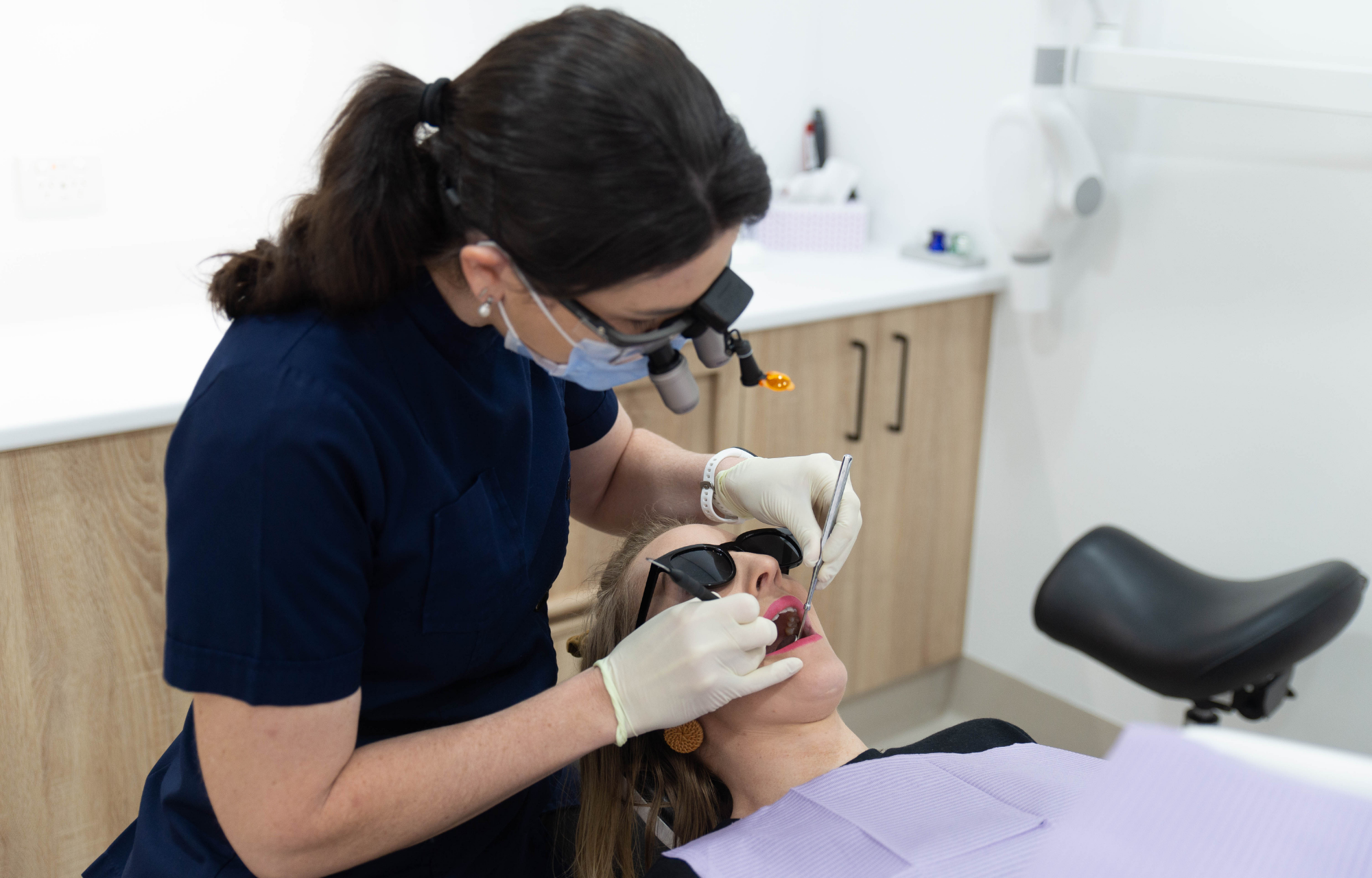
After recovering from a winter cold, booking a professional dental cleaning helps reset your mouth. Clinical cleans clear away hardened tartar and stubborn plaque buildup that gather during sickness when saliva levels drop. A complete hygiene appointment removes bacterial buildup along the gum line, helping tender gums return to health.
At our local practice, we offer modern cleaning methods designed with patient comfort in mind. Experience a gentle teeth cleaning with EMS Airflow Guided Biofilm Therapy, which lifts plaque buildup using a pleasant warm-water stream and fine powder. This non-invasive system cleans around tender gums and bare root areas without scraping or cold water shock. Booking a consultation with a dentist in Samford Village keeps post-illness dental care easy and stress-free. Regular preventative dental care keeps family smiles bright across every season.
Schedule Your Post-Winter Care in Samford Village
Keeping teeth and gums healthy through winter sickness takes attentive home care and gentle clinical support. At Admire Dentistry, our care team offers personal treatment in a relaxed, family-friendly clinic setting. By combining simple prevention advice with comfortable hygiene tools, we help Samford residents maintain good oral health after winter colds.
If you or your family members recently recovered from a winter cold or notice lingering dry mouth, our team is ready to assist with maintaining good winter oral health for Samford residents. You can book an appointment with our clinicians to check your enamel health and refresh your smile for spring. Contact our clinic today to organise your post-winter check-up.
Frequently Asked Questions (FAQ)
Should I replace my toothbrush after having a cold or flu?
Replacing your toothbrush or electric toothbrush head after sickness helps maintain fresh, hygienic bristles. Bacteria and viruses can live on damp bristles for several days. Switching to a new toothbrush prevents re-exposure and keeps your daily oral hygiene effective as your body recovers.
How do sugar-free cough drops protect my teeth?
Sugar-free cough drops do not feed oral bacteria, which stops harmful acid from forming on tooth surfaces. Many sugar-free lozenges contain xylitol, a natural sweetener that helps reduce decay-causing bacterial levels while helping natural saliva flow to protect enamel.
What is the best way to handle dry mouth from cold medication?
Manage dry mouth caused by cold medicines by sipping plain tap water often, chewing sugar-free gum, and running a humidifier in the bedroom at night. Avoid mouthwashes containing alcohol, as alcohol dries mouth tissues further. Speak with your dentist if dry mouth continues.
Why shouldn’t I brush my teeth right after vomiting?
Stomach acid temporarily softens tooth enamel. Brushing immediately scrubs acid into the tooth surface, wearing enamel away. Instead, rinse well with plain water or a dilute baking soda mix, and wait thirty minutes before brushing gently.
Can a sinus infection cause tooth pain in the upper teeth?
Upper back tooth roots sit directly under your sinus passages. When sinus passages swell and fill with pressure during a cold, that pressure pushes down on dental nerves. This pressure often creates a dull, throbbing ache across several upper teeth.