Supporting Your Child’s Growth: The Vital Link Between Airway, Muscle Health, and Kids’ Craniofacial Development

Every parent wants the best for their child’s health, and that includes their growing smile and facial development. What many parents do not realise is how deeply connected breathing and muscle function are to the way a child’s face, jaws, and teeth grow. When breathing is compromised by a limited airway or muscle dysfunction, it can lead to distinct alterations in kids’ craniofacial development. This often results in smaller jaws, crowded teeth, and a higher risk of health issues later in life.
At Admire Dentistry, your local children’s dentist in Samford, we focus on helping children develop healthy jaws and smiles. This is why we aim to identify and address these concerns early while growth and development are still flexible. This approach may support balanced facial development and can simultaneously assist in minimising the long-term risks of complex structural problems occasionally observed in adults, including temporomandibular joint (TMJ) dysfunction and sleep-disordered breathing (SDB), such as obstructive sleep apnoea (OSA).
In this article, we will explore the role of airway and muscle function in craniofacial growth, how early issues can lead to lifelong challenges, and why timely treatment is key to setting your child up for a healthier future.
The Connection Between Airway, Muscles, and Facial Growth
As your child’s face grows, it experiences changes shaped by genetics, habits, and how they breathe and use their oral muscles.
Why Does Breathing Matter?
The airway, which consists of the passages through which air flows in and out of the lungs, plays a fundamental role in guiding facial growth and airway health in Samford. Ideally, children should breathe easily through their noses, which:
- Filters and humidifies the air
- Encourages the tongue to rest against the roof of the mouth
- Stimulates proper growth of the upper jaw (maxilla) and lower jaw (mandible)
When nasal breathing is obstructed due to allergies, enlarged tonsils, adenoids, or other airway issues, children often resort to mouth breathing. Mouth breathing alters tongue posture and muscle activity in the face, which can:
- Restrict forward and outward growth of the jaws
- Lead to narrower upper jaws and high, arched palates
- Cause lower jaws to sit further back than ideal, reducing airway space
This chain reaction ultimately results in a smaller jaw where teeth do not have enough room to fit properly, directly hindering healthy kids’ craniofacial development.
The Role of Oral Muscles in Development
Facial muscles and the tongue act as natural guides during growth. Their tone and function shape bone development and dental arch formation.
- A properly positioned tongue resting against the palate provides a natural outward force that helps widen the upper jaw.
- Strong, coordinated muscles encourage correct swallowing and jaw movement patterns.
- Dysfunctional muscles, whether due to poor habits like thumb sucking, tongue thrusting, or underlying neuromuscular issues, can disrupt these forces, leading to malocclusion (misaligned teeth) and asymmetry in facial features.
When these habits disrupt normal growth, targeted myofunctional therapy can help retrain the oral muscles to rest and function correctly. Together, airway issues and muscle dysfunction create the conditions for what is called craniofacial growth restriction.
The Long-Term Consequences of Untreated Airway and Muscle Dysfunction
If these problems go unrecognised or untreated during childhood, the consequences can be noticeable in later years.
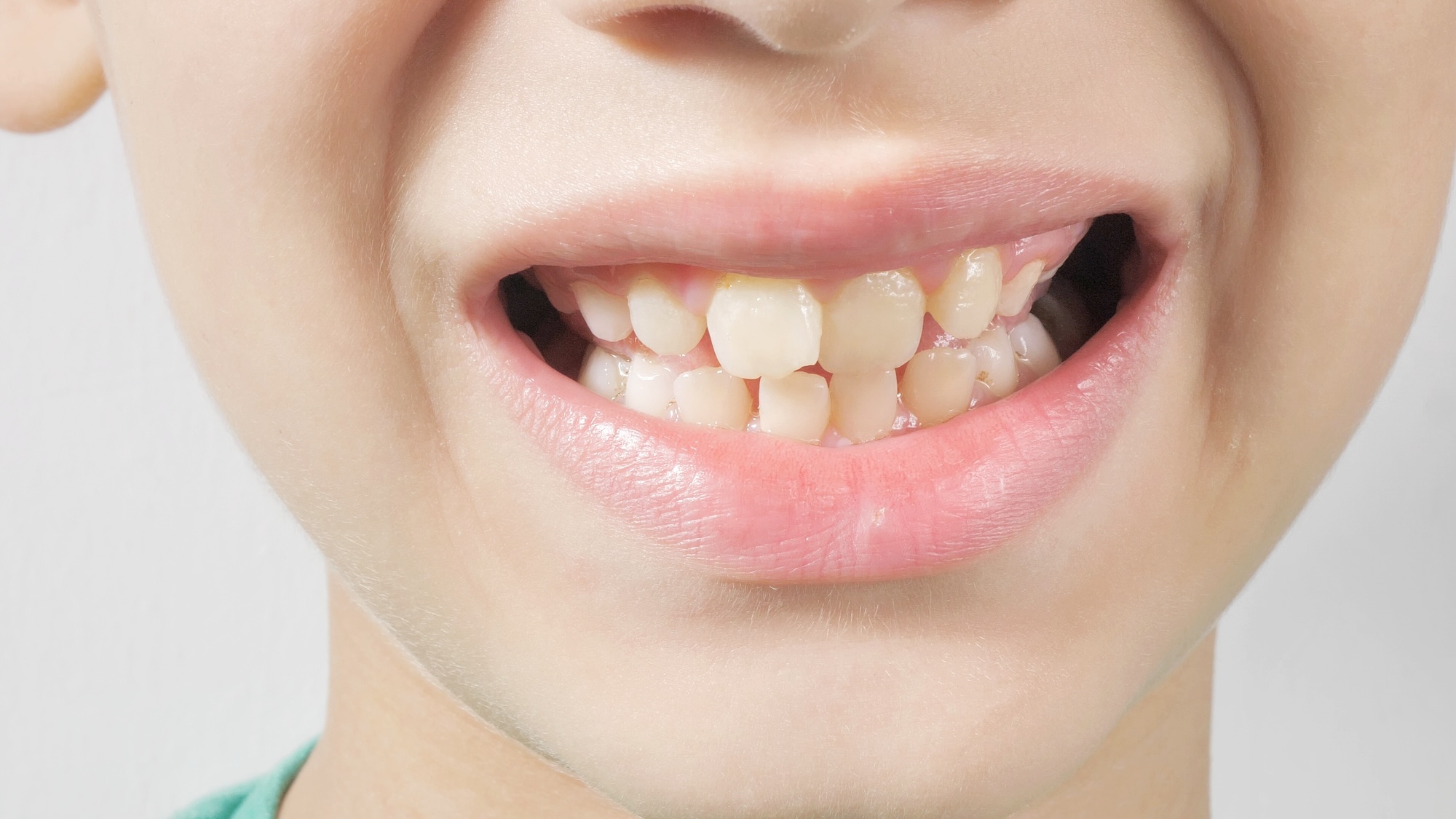
Crowded Teeth and Malocclusion
As the jaws fail to grow adequately, there is less space for all the permanent teeth to erupt correctly. This can result in:
- Crowded, crooked teeth that often require complex orthodontic treatment later on
- Bite problems such as crossbites, overbites, or underbites
- Difficulty with chewing, speaking, and oral hygiene
Sleep-Disordered Breathing and Obstructive Sleep Apnoea (OSA)
Narrow airways combined with altered jaw positions increase the risk of sleep disorders, highlighting the importance of monitoring airway health in Samford from an early age.
- Children with untreated airway restriction may snore, have restless sleep, or show daytime fatigue and behavioural issues.
- Over time, these issues can progress to obstructive sleep apnoea, a condition where breathing repeatedly stops and starts during sleep due to airway collapse.
- OSA in adults is linked to high blood pressure, cardiovascular problems, and cognitive impairment, but it often begins during childhood.
Temporomandibular Joint (TMJ) Dysfunction
Restricted jaw growth and improper bite alignment place abnormal stress on the TMJ, the complex joint that connects your jawbone to your skull.
- Overworked or misaligned joints can lead to chronic jaw pain, headaches, clicking or locking of the jaw, and difficulty opening or closing the mouth.
- Adults with TMJ dysfunction often experience a reduced quality of life and require ongoing management.
Why Early Intervention is Critical: The Advantages of Treating Kids First
The advantage of early care is that children’s bones are highly adaptable. Timely identification and management of airway and muscle dysfunction can help redirect growth, which may improve jaw size and shape while lowering the overall risk of developing severe structural complications in the future.
How We Can Help: Our Comprehensive Approach
At Admire Dentistry, your dedicated children’s dentist in Samford, we work alongside families and relevant allied health professionals, including orthodontists, ENT professionals, speech therapists, and sleep physicians, to build a management plan tailored to your child’s developmental needs.
1. Airway Assessment & Management
We evaluate your child’s airway health as part of routine dental and orthodontic assessments. Enlarged tonsils, adenoids, or nasal obstructions are identified and referred for ENT review, helping us protect long-term airway health in Samford. We also guide breathing retraining exercises to encourage nasal breathing habits.
2. Oral Myofunctional Therapy and Muscle Training
Our team supports muscle function by teaching exercises that strengthen the tongue and orofacial muscles. This application of myofunctional therapy helps improve swallowing patterns, tongue posture, and muscle tone, promoting healthier jaw development and aiding proper kids’ craniofacial development.
3. Early Orthodontic Intervention
Using functional appliances designed to stimulate forward jaw growth and expand the palate, we can create more room for teeth and open the airway. These appliances may also help improve muscle function and posture.
4. Collaborative, Holistic Care
We partner with specialists who treat underlying medical conditions affecting airway and muscle function. A multidisciplinary approach ensures that all aspects of your child’s health are addressed.
Real-Life Impact: What Happens When We Act Early?
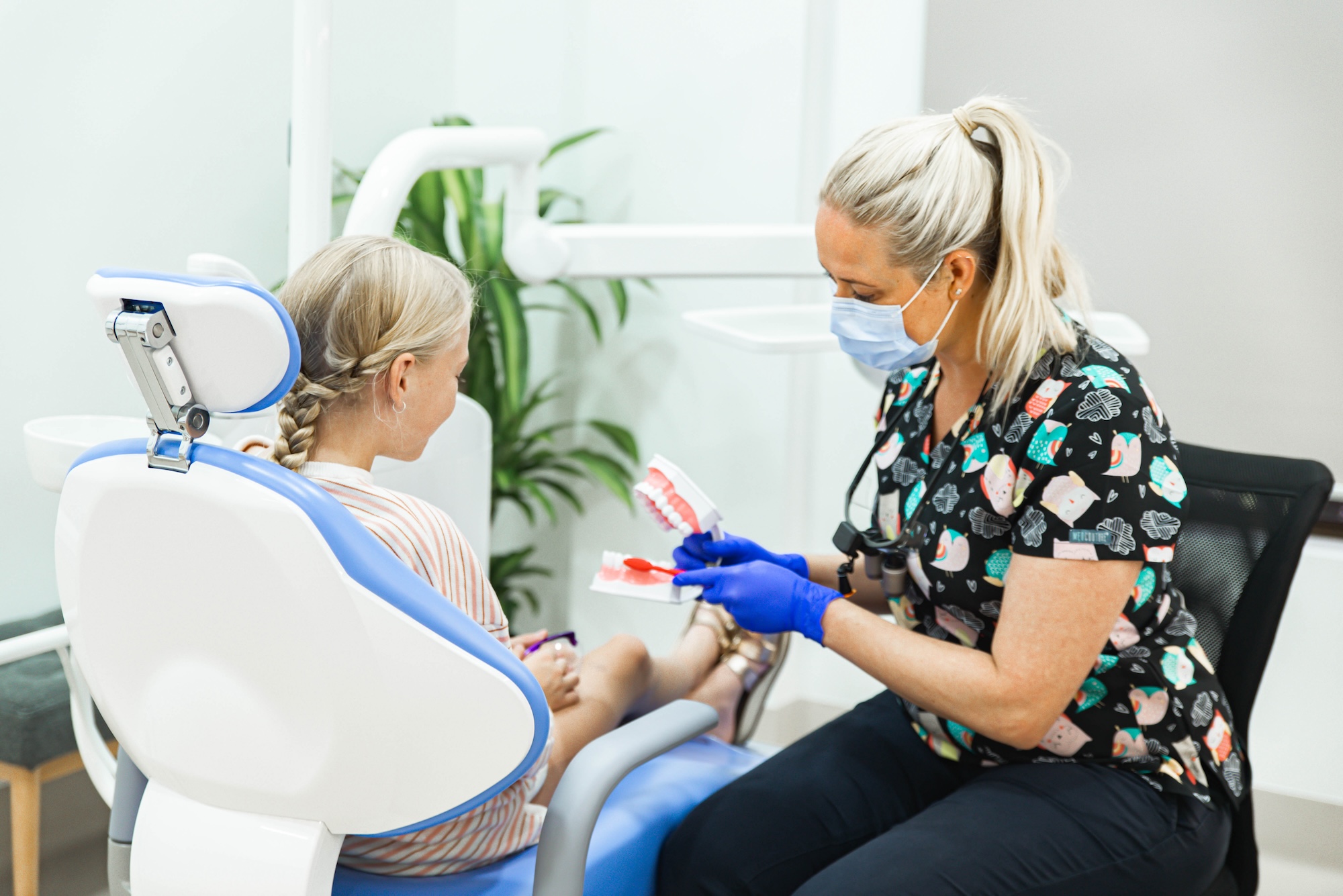
Children who receive timely intervention, including targeted myofunctional therapy, often experience developmental benefits, which may include:
- Support for improved breathing and sleep quality, which can positively influence mood, daytime concentration, and general school performance
- Encouragement of natural, more balanced facial growth with healthier dental arch pathways
- A potential reduction in the need for highly complex orthodontic or surgical treatments in their adult years
- A lowered risk profile for chronic TMJ strain or sleep-disordered breathing during adulthood
Adult therapeutic options for established TMJ conditions and sleep apnoea generally focus on symptom relief and operational airway support rather than modifying underlying bone architecture.
Take the First Step: Schedule a Growth Assessment Today
Supporting healthy kids’ craniofacial development and breathing starts with awareness and early action. At Admire Dentistry, we are here to guide you through every step, helping your child breathe better, grow stronger jaws, and enjoy a lifetime of healthy smiles. Our children’s dentistry services include early check-ups and maintenance that allow us to detect problems early.
Contact our team to request an appointment for a comprehensive airway and growth assessment for your child. Together, we can support their development and general well-being.