
Jaw Pain, TMJ Dysfunction, Headaches & Sleep: A Whole-Body Approach to Relief

Jaw pain is often dismissed as “just one of those things”—something to live with, manage quietly, or ignore until it becomes unbearable. However, for many people, jaw discomfort is the first sign that something deeper is out of balance.
At Admire Dentistry, we regularly see patients who have lived for years with jaw pain, headaches, facial tension, or broken teeth without realising these symptoms are connected. Understanding how the jaw, muscles, teeth, airway, and nervous system interact is the key to meaningful, long-term relief.
Understanding the Temporomandibular Joints (TMJ)
The temporomandibular joints (TMJ) are small but vital joints located just in front of each ear. They connect your lower jaw (mandible) to your skull and allow you to:
- Speak
- Chew and swallow
- Yawn
- Breathe comfortably
- Express emotion
Each TMJ is a complex joint involving bone, cartilage, a small disc, ligaments, and surrounding muscles. Unlike simpler hinge joints (such as the elbow), the TMJ must both hinge and glide, which makes it uniquely vulnerable to dysfunction.
When the joints, muscles, or discs are not working harmoniously, symptoms can develop. This is broadly referred to as TMJ dysfunction or TMD.
Signs and Symptoms of TMJ Dysfunction
TMJ dysfunction can present in many ways, and symptoms are not always limited to the jaw itself. Common signs include:
- Clicking, popping, or grinding noises when opening or closing
- Jaw locking or catching
- Jaw fatigue or stiffness, particularly in the morning
- Facial pain or tenderness
- Ear pain, pressure, or ringing (without ear infection)
- Headaches or migraines
- Neck and shoulder tension
- Difficulty opening wide or chewing comfortably
- Worn, chipped, cracked, or uneven teeth
Many patients are surprised to learn that tooth wear, repeated fractures, or failed dental work can be a downstream effect of jaw and muscle overload rather than a problem with the teeth themselves.
The Role of Clenching and Grinding (Bruxism)
One of the most common contributors to TMJ dysfunction is bruxism—involuntary clenching or grinding of the teeth. This often occurs during sleep but can also happen subconsciously during the day.
Clenching and grinding place excessive load on:
- The jaw joints
- The chewing muscles
- The teeth
- Dental restorations
Over time, this overload can result in pain, inflammation, muscle fatigue, disc displacement, and structural damage.
Why Do People Clench or Grind?
Bruxism is rarely caused by a single factor. Common contributors include:
- Emotional stress or anxiety
- Poor sleep quality
- Airway resistance or sleep-disordered breathing
- Bite imbalances
- Postural issues
- Neurological arousal during sleep
For this reason, successful treatment often requires more than just a night guard.
Jaw Pain and Headaches: The Overlooked Connection
Many frequent headaches originate not in the head, but in the jaw and facial muscles.
The muscles used for chewing are among the strongest in the body. When they are overworked or chronically tense, they can refer pain into:
- The temples
- The forehead
- Behind the eyes
- The ears
- The neck and shoulders
These headaches may feel like tension headaches, migraines, or a constant dull ache that flares throughout the day.
By calming the muscles, restoring balance in the bite, and addressing underlying drivers such as clenching or airway strain, we aim for long-term improvement rather than temporary symptom relief.
Sleep, Airway Health & TMJ Dysfunction

Sleep plays a critical role in jaw health.
Snoring, mouth breathing, and obstructive sleep apnoea (OSA) can all increase nighttime muscle activity and clenching. When the airway is compromised during sleep, the body responds by activating the jaw muscles to help stabilise and protect breathing.
This can lead to:
- Increased grinding and clenching
- Morning jaw pain or headaches
- Tooth wear
- Poor sleep quality and daytime fatigue
Many patients with TMJ symptoms are unaware that they also have underlying sleep or airway concerns.
Sleep Appliances: Supporting the Jaw and Airway
At Admire Dentistry, we provide custom-made oral sleep appliances designed to gently support the jaw and airway during sleep.
These appliances may help to:
- Improve airflow
- Reduce snoring
- Minimise airway collapse
- Decrease clenching and grinding intensity
- Reduce jaw strain overnight
In many cases, we recommend an at-home or hospital sleep study to better understand breathing patterns and guide appliance design. Where appropriate, we collaborate closely with:
- GPs
- Sleep physicians
- ENT specialists
This ensures care is coordinated, conservative, and medically appropriate.
Our Approach to TMJ Care at Admire Dentistry
TMJ dysfunction is rarely solved with a “one-size-fits-all” solution. Dr Alex Davies takes a thorough, evidence-based approach, focusing on understanding why symptoms are occurring—not just managing pain.
Your assessment may include:
- A detailed history of symptoms, habits, and sleep quality
- Bite and occlusal analysis
- Muscle and joint examination
- Advanced imaging where indicated
- Review of airway and breathing patterns
From there, care is tailored to your individual needs and may include one or more of the following.
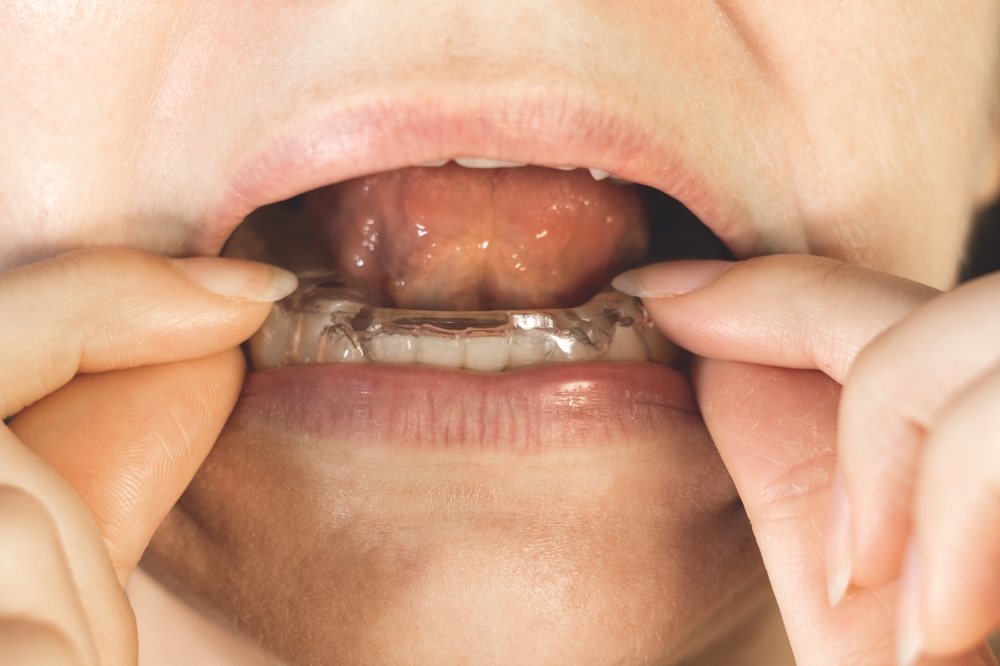
Custom Oral Appliances
Custom oral appliances are designed to reduce overload on the jaw joints and muscles while protecting the teeth.
Depending on your presentation, an appliance may aim to:
- Reduce clenching intensity
- Reposition the jaw to a more stable position
- Protect teeth from wear
- Improve muscle coordination
Importantly, these are not generic store-bought splints. They are carefully designed, adjusted, and reviewed to ensure they are helping rather than contributing to dysfunction.
MLS Laser Therapy: Supporting Healing and Pain Reduction
We also offer Multiwave Locked System (MLS) laser therapy as part of our TMJ care.
MLS laser therapy is a non-invasive, drug-free treatment that works at a cellular level to:
- Reduce inflammation
- Relieve pain
- Improve circulation
- Promote tissue healing
Many patients report:
- Reduced muscle tension
- Improved jaw movement
- Less discomfort during chewing or speaking
Laser therapy is often used alongside other treatments to support healing and comfort, particularly during acute flare-ups.
Collaboration With Allied Health Professionals
Because TMJ dysfunction often involves multiple systems, collaboration is key.
When appropriate, we work closely with trusted allied health professionals, including:
- Physiotherapists
- Orthodontists
- Sleep physicians
- ENT specialists
- Nutrition professionals
This team-based approach allows us to address contributing factors such as posture, muscle function, airway health, and long-term bite stability.
Why Early Intervention Matters
TMJ dysfunction is often progressive. Left unmanaged, it may lead to:
- Increasing pain and stiffness
- Worsening headaches
- Ongoing tooth damage
- Failed dental restorations
- Reduced quality of life
Early assessment allows for more conservative treatment and better long-term outcomes.
A Calm, Individualised Path Forward
At Admire Dentistry, we understand that jaw pain and headaches can be frustrating, exhausting, and often misunderstood. Our goal is to provide clarity, reassurance, and thoughtful care—never rushed, never cookie-cutter.
If you’re experiencing jaw pain, headaches, facial tension, tooth wear, or sleep-related concerns, we invite you to book a consultation with Dr Alex Davies to explore what may be contributing and how we can help.
Relief is possible, and it starts with understanding the whole picture.