
Menopause and Temporomandibular Joint Dysfunction (TMD): Understanding the Connection and Managing Symptoms

Menopause is a natural transition in a woman’s life that brings hormonal shifts affecting many aspects of health. Symptoms like hot flashes and sleep disturbances are widely recognised, yet an often overlooked consequence is the impact menopause can have on jaw health, specifically the development or worsening of symptoms associated with temporomandibular joint dysfunction (TMD).
At Admire Dentistry, we understand the intricate ways hormonal changes may influence jaw comfort. This article outlines the current understanding of the connection between menopause and TMJ health, common symptoms, how underlying factors like obstructive sleep apnoea (OSA) may relate to jaw health, and care strategies that may be explored.
What is Temporomandibular Joint Dysfunction (TMD)?
The temporomandibular joints (TMJs) are two small but complex joints located just in front of your ears, connecting your lower jawbone (mandible) to the skull. These joints allow your jaw to move smoothly for speaking, chewing, yawning and other essential functions.
Temporomandibular joint dysfunction (TMD) refers to a group of conditions affecting the jaw joints and surrounding muscles, ligaments, and nerves. It is often characterised by:
- Jaw discomfort or tenderness around the joints
- Clicking, popping, or grating sounds when opening or closing the mouth
- Limited jaw movement or locking episodes
- Headaches, neck, or shoulder discomfort
- Ear sensations, fullness, or ringing
- Muscle fatigue or facial tension
TMD affects approximately 10-15% of the population. Women, particularly during middle age and menopause, are more likely to experience these symptoms.
Menopause and Hormonal Changes: The Impact on TMJ Health
Menopause causes a significant decline in estrogen and progesterone. Estrogen receptors are present in many tissues, including the ligaments, cartilage and synovial fluid of the TMJ.
Estrogen influences:
- Joint lubrication: Lower estrogen levels are associated with increased joint inflammation and discomfort.
- Tissue maintenance: Reduced estrogen may affect the maintenance of ligaments and cartilage, which can lead to joint instability.
- Pain sensitivity: Hormonal changes affect neurotransmitters and receptors involved in pain sensitivity, which may make menopausal women more prone to chronic pain conditions, including TMD.
Consequently, many women experience an increase in jaw pain during menopause or the onset of TMD symptoms around this transition.
Bone Density Loss and Muscle Changes
Menopause is associated with decreased bone mineral density, sometimes progressing to osteoporosis. This bone loss can affect the jawbone, which supports the TMJs and teeth, potentially contributing to:
- Tooth mobility or shifting
- Changes in bite alignment
- Increased stress on TMJ structures
Additionally, menopause causes changes in muscle tone and function. This affects the jaw muscles as well as the neck, shoulders, and upper back. These changes may lead to increased muscle tension or spasms that can contribute to menopause jaw pain and dysfunction.
The Role of Sleep-Disordered Breathing and Obstructive Sleep Apnoea (OSA)
One often overlooked but critical factor during menopause is the emergence or worsening of sleep-disordered breathing (SDB), including obstructive sleep apnoea (OSA).
Why Does Menopause Increase Risk of OSA?
- Hormonal changes reduce muscle tone in the airway, increasing collapsibility during sleep.
- Weight gain common in menopause can contribute to airway narrowing.
- Changes in fat distribution around the neck may further restrict airflow.
How Does OSA Affect TMJ Health?
OSA is often linked to bruxism (teeth grinding or clenching), a common contributor to TMD. During sleep, clenching can strain the jaw muscles and TMJs, causing pain, inflammation, and wear on teeth.
Further, poor sleep quality and oxygen deprivation from OSA contribute to systemic inflammation, which can affect pain perception and healing in the TMJ area.
Signs That OSA May Be Contributing
- Loud snoring or gasping for air during sleep
- Excessive daytime sleepiness or fatigue
- Morning headaches
- Jaw pain or soreness upon waking
- Restless sleep or frequent awakenings
If these symptoms accompany TMJ discomfort during menopause, assessing for OSA and sleep health is important.
Stress, Sleep Disruption, and Their Influence on TMD

Menopause is frequently accompanied by stress, anxiety, and sleep disturbances, all of which may contribute to TMD symptoms. Stress can cause:
- Increased jaw clenching or grinding during the day
- Heightened muscle tension around the TMJ
- Increased pain sensitivity
Poor sleep quality may affect muscle recovery and pain thresholds, creating a cycle that can amplify TMD discomfort.
Recognising Menopause-Related TMD Symptoms
If you’re experiencing menopausal symptoms and notice any of the following, it may be related to TMD:
- Persistent jaw or facial pain, especially near the temples or in front of the ears
- Clicking, popping, or grinding noises when moving your jaw
- Difficulty or pain when opening wide, chewing, or yawning
- Frequent headaches, neck stiffness, or muscle soreness
- Jaw locking or “catching” sensations
- Increased tooth sensitivity or wear
Early identification helps manage symptoms before they become severe or chronic.
Managing Menopause-Related TMD: Practical Strategies
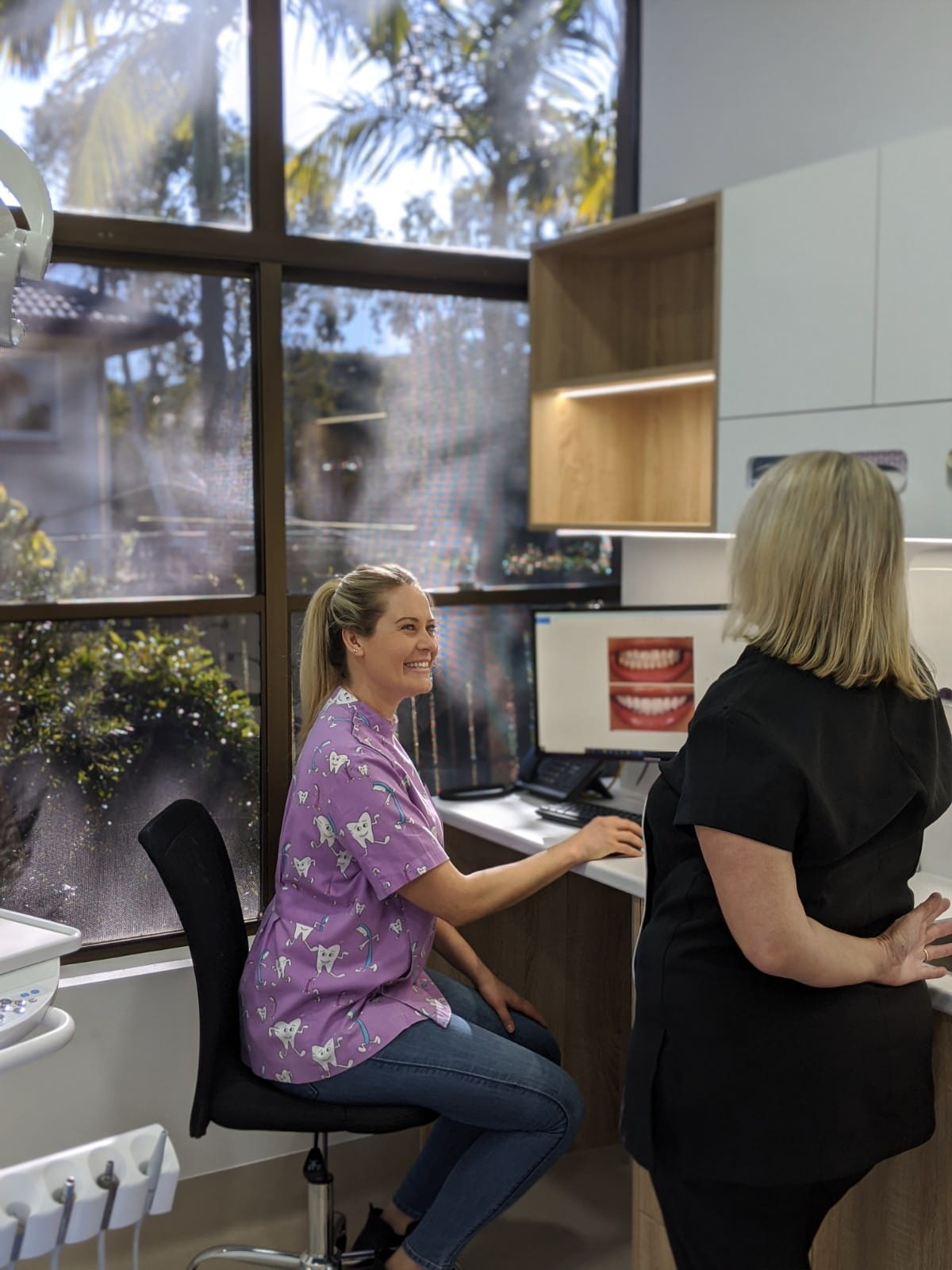
Effective management of TMD during menopause involves a personalised approach addressing hormonal, musculoskeletal, and lifestyle factors.
1. Professional Dental Care and Evaluation
- Comprehensive TMJ and bite assessments to identify contributing factors
- Use of custom-made oral appliances (splints) to help reduce clenching and protect teeth
- Collaboration with physiotherapists to assist with muscle tension and improve jaw mobility
- Therapies such as low-level MLS laser therapy, which may be considered to assist with symptom management
2. Addressing Sleep Disorders
- Screening for sleep-disordered breathing and referral for sleep studies if indicated
- Collaboration with sleep physicians and ENT specialists for integrated care
- Use of mandibular advancement devices to improve airway patency and reduce bruxism
3. Hormonal and Medical Management
- Consultation with your healthcare provider regarding hormone replacement therapy (HRT) or other medical options that may help improve joint health
- Managing co-existing conditions such as osteoporosis to support bone health
4. Lifestyle and Self-Care
- Stress management techniques: mindfulness, meditation, or yoga
- Sleep hygiene practices to improve restorative rest
- Avoidance of excessive jaw movements such as chewing gum or biting hard foods
- Application of warm compresses to help relieve muscle tension
- Gentle jaw exercises prescribed by your dental team
5. Dietary Support
- Balanced nutrition to support bone and joint health, including adequate calcium and vitamin D
- Hydration to maintain joint lubrication and saliva flow
How Admire Dentistry Can Help
At Admire Dentistry, we provide care designed to support individuals experiencing symptoms of TMD and jaw discomfort during menopause.
Our approach includes:
- Detailed consultations and assessments focused on your unique symptoms and health context
- Use of modern diagnostic imaging and therapeutic technologies
- Collaboration with allied health professionals such as physiotherapists, sleep specialists, and medical practitioners
- Individualised care approaches incorporating oral appliances, laser options, targeted muscle exercises, and lifestyle coaching
- Ongoing support and education to assist you in managing your oral and overall health
We recognise that menopause can be a challenging time. With appropriate care, you can manage discomfort and improve jaw function.
Final Thoughts: Managing Menopause and TMD Symptoms
The physiological shifts of menopause and TMJ dysfunction can intersect in ways that affect your daily comfort. Understanding the hormonal, musculoskeletal, and systemic changes that occur during menopause empowers you to take proactive steps.
If you are experiencing jaw discomfort, clicking, or other TMJ symptoms alongside menopausal changes, consider seeking a professional evaluation. Early diagnosis and a personalised treatment approach can assist in symptom management.
At Admire Dentistry, we are here to support you, assisting you to navigate this transition with comfort and care. Our preventative dentistry services help you to maintain your oral health throughout every stage of your life.
Contact Us Today
If you’re ready to explore how we can help manage your menopausal TMJ symptoms or have concerns about your oral health during menopause, contact Admire Dentistry for a consultation. Together, we will develop a comprehensive plan tailored just for you.